What to know about carpet cleaning in Leytonstone tube flats
If you live in a Leytonstone tube flat, carpet cleaning is a little more nuanced than a quick vacuum and a hopeful spray bottle. Tight hallways, stairs, shared entrances, parking headaches, drying time, and neighbours who do not want wet footprints in the landing all change the job. That is exactly why what to know about carpet cleaning in Leytonstone tube flats matters: the right approach keeps carpets fresher for longer, reduces disruption, and avoids the common mishaps that happen in compact London homes.
In practice, the best results usually come from choosing the right method for the carpet type, the building layout, and the amount of soil, spills, or pet odour involved. Below, you will find a clear, human guide to the process, the mistakes to avoid, and the decisions that matter most before you book.
Table of Contents
- Why carpet cleaning matters in tube flats
- How the cleaning process works
- Key benefits and practical advantages
- Who needs this and when it makes sense
- Step-by-step guidance
- Expert tips for better results
- Common mistakes to avoid
- Tools, resources and recommendations
- Law, compliance, standards and best practice
- Options, methods and comparison table
- Case study or real-world example
- Practical checklist
- Conclusion
- Frequently asked questions
Why carpet cleaning in tube flats matters
Tube flats around Leytonstone tend to be lived-in, busy spaces. People come and go, shoes get dragged through the hallway, and the carpet often acts like a quiet filter for all sorts of daily life: dust, grit, food crumbs, pollen, pet hair, and the occasional spill that seemed harmless at the time. In a smaller flat, those marks and smells build up faster than you might expect.
There is also the practical side. When a carpet is left dirty for too long, particles settle deeper into the fibres and start to dull the pile. That can make a flat feel older, stuffier, and less cared for. If you are renting, it can also make end-of-tenancy cleaning much more stressful. If you own, it simply affects how the home feels when you come in after a wet commute and want the place to feel calm, not tired.
Tube flats can add a couple of awkward little twists. Access may be tighter. Drying space is limited. Windows may not open widely. And if the building has a shared stairwell or lift, equipment needs to be carried carefully. Nothing dramatic, just enough to make planning worthwhile.
Practical takeaway: in a compact flat, carpet cleaning is not just about appearance. It is about hygiene, indoor comfort, drying control, and protecting the carpet from avoidable wear.
If you are also thinking about other soft furnishings at the same time, it can help to look at related services such as upholstery cleaning or sofa cleaning, especially in open-plan studio layouts where everything sits close together. One dusty sofa can make a clean carpet feel oddly unfinished. Bit annoying, but true.
How carpet cleaning works
For most flats, professional carpet cleaning starts with inspection. The cleaner looks at the carpet material, the level of soiling, any visible stains, and the room layout. That first step matters because wool, synthetic fibres, blends, and loop pile carpets all react differently to moisture and cleaning solutions.
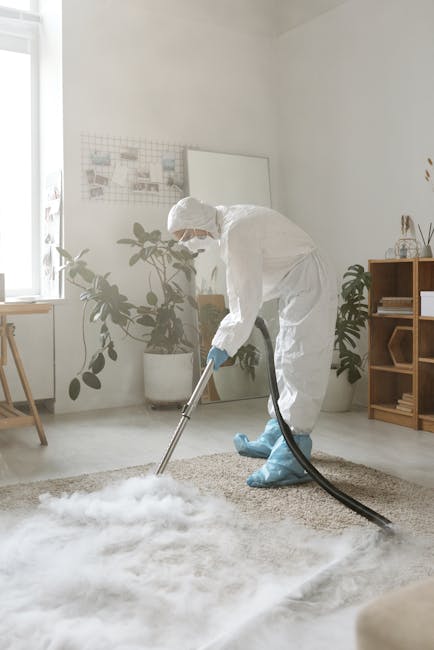
The next stage is usually vacuuming and pre-treatment. Dry soil gets removed first, because once that grit turns into mud with water, you are making more work for yourself. Pre-spray or stain treatment is then applied to the traffic lanes, spots, and any areas with grease or drink marks. After that, the chosen cleaning method is used.
In many London flats, steam-based hot water extraction is a common approach for deep cleaning. It uses a cleaning solution and hot water to loosen dirt, then extracts much of the moisture along with the debris. That said, it is not the only method, and not every carpet or room is a perfect fit for it. Low-moisture methods can be better where drying time is a concern or where a delicate carpet needs a gentler touch.
You may hear the phrase "steam cleaning" used casually, though technically it is hot water extraction rather than actual steam. Small detail, but worth knowing if you are comparing quotes and methods. Nobody wants to feel they have bought one thing and received another.
For stain-heavy carpets, a specialist stain removal approach may be needed before or alongside the main clean. If you have pet odours, the situation can be more specific again, which is why dedicated pet stain and odour removal is often a better choice than a standard surface refresh.
Key benefits and practical advantages
The most obvious benefit is a visibly cleaner carpet. But there is more going on than a nicer colour and fewer marks near the skirting boards.
- Better indoor freshness: carpets can trap stale smells, cooking residue, and everyday traffic dirt. A proper clean helps the room feel lighter.
- Improved appearance: traffic lanes on the route from door to sofa often look darker first. Cleaning can revive those fibres quite noticeably.
- Longer carpet life: grit acts like sandpaper underfoot. Removing it regularly reduces fibre abrasion.
- Less allergy-triggering dust build-up: while carpet cleaning is not a medical fix, it can reduce the dust and debris held in the pile.
- Better tenancy presentation: for renters, fresh carpets make viewings, inspections, and move-outs easier to manage.
- More comfortable living: a clean carpet under bare feet on a winter morning, especially in a small flat, just feels better. Simple as that.
There is also a practical benefit people often miss: cleaner carpets can make the whole flat easier to maintain. When the fibres are free of embedded dirt, daily vacuuming is more effective. That means less effort between deep cleans. Not glamorous, but very useful.
Who this is for and when it makes sense
This topic is relevant for a pretty wide range of people in Leytonstone tube flats. If any of the following sound familiar, the timing may already be right.
- Renters preparing for end of tenancy: you may need the carpet brought back to a presentable standard before checkout.
- Homeowners in smaller flats: compact spaces show wear quickly, especially in hallways and living rooms.
- People with pets: fur, paw marks, and odour can build up faster in limited floor space.
- Families with children: snack spills, juice, craft mess, and the occasional mystery stain happen. Often all in one week.
- Remote workers: if you spend most of the day in one room, carpet freshness affects how the flat feels from morning to evening.
- Landlords and letting agents: presentable carpets support property value and reduce avoidable complaints.
It also makes sense after certain events: a burst drink spill, a winter of muddy shoes, a renovation, or a stretch of damp weather when everything seems to cling to the carpet. Leytonstone weather does not exactly help, does it?
If you are weighing up more than one room, services such as rug cleaning can be useful too, especially where a rug is doing much of the visual work in a small lounge. A refreshed rug can make the whole room look like it has had a reset.
Step-by-step guidance
Here is the practical flow most people should expect when arranging carpet cleaning in a tube flat.
- Assess the carpet and the access. Check the pile type, the age of the carpet, stain locations, and how equipment will be brought in. In a flat, stair width and parking can matter more than you think.
- Clear the area. Move small furniture, toys, cables, baskets, and loose items. The fewer obstacles, the better the finish. Also, less chance of something getting knocked over. It happens.
- Vacuum thoroughly. Dry soil should come out first. This step is boring, but skipping it is one of the fastest ways to get a mediocre result.
- Spot treat stains. Fresh marks, grease spots, and pet issues may need specific treatment before the main clean.
- Choose the right method. Hot water extraction, low-moisture cleaning, or a targeted stain treatment may be used depending on the carpet and drying constraints.
- Control moisture. In a tube flat, ventilation matters. Open windows where possible, use fans if appropriate, and avoid walking on the carpet until it is ready.
- Finish with grooming and inspection. Pile brushing or grooming can help the carpet dry evenly and look tidier.
For a more detailed service overview, it helps to review the provider's general carpet cleaning information before you book. If the carpet is especially delicate or you want a lower-moisture approach, steam carpet cleaning is worth comparing carefully, though the exact suitability depends on the fibre and room conditions.
Good cleaners will also explain drying times in plain English. That matters a lot in a flat where the living room is also the dining room, office, and somewhere to put your washing rack. Real life, basically.
Expert tips for better results
Small decisions make a big difference in apartment carpet cleaning. These are the details that usually separate "fine" from "properly good".
- Do not wait until stains have set in for weeks. Fresh spills are generally easier to treat than old, oxidised marks.
- Check fibre type before any deep clean. Wool carpets, for example, need more caution with heat and alkalinity.
- Ask about drying expectations. In a flat, a fast-drying approach may be more valuable than a very wet, very heavy-handed one.
- Use mats at entrances. It sounds basic because it is. But it really does reduce recurring soil from shoes.
- Schedule cleaning before the carpet looks desperate. Regular maintenance is easier and usually more cost-effective than rescue work.
- Think beyond the floor. If the room has a lot of fabric surfaces, consider pairing carpet care with curtain cleaning or upholstery cleaning so the room feels consistent.
One more thing: in smaller flats, odour lingers because the air volume is limited. That means pet smells, cooking residue, and damp fibre smells can become noticeable faster. Addressing the source is better than masking it. Otherwise you end up with a lemony smell and a problem underneath. Not ideal.
Common mistakes to avoid
Most carpet-cleaning issues in tube flats come down to impatience, over-wetting, or trying to solve the wrong problem with the wrong method. Here are the main traps.
- Over-wetting the carpet: too much water can increase drying time and sometimes wick old stains back to the surface.
- Using the wrong stain remover: some products set stains or damage fibres if they are not suited to the material.
- Ignoring hidden spill damage: if liquid has reached the underlay, the top surface may look better while odour remains.
- Cleaning only the visible patch: that can leave an obvious border or a "spot-cleaned" look in daylight.
- Not planning ventilation: with limited airflow, drying takes longer than people expect.
- Dragging furniture back too early: heavy items can leave marks or slow drying underneath.
Another common one is booking purely on price. Cheap can be fine, of course, but if the method, drying time, and stain treatment are not explained properly, the carpet may look half-done by the next day. That is where value beats bargain, nearly every time.
Tools, resources and recommendations
You do not need a van full of equipment to get started, but it helps to understand the tools a good clean normally involves.
| Tool or item | What it does | Why it matters in a tube flat |
|---|---|---|
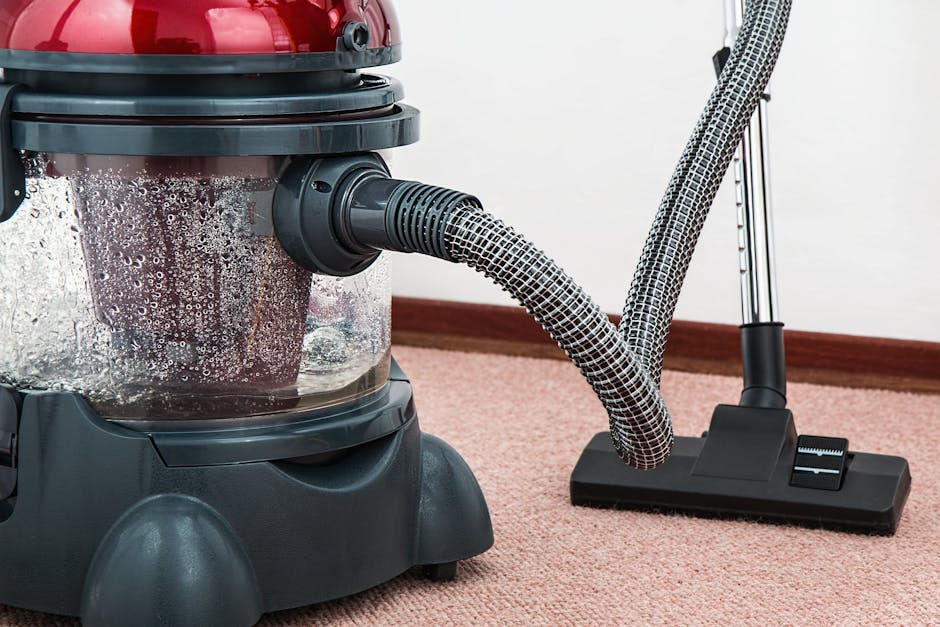
| Commercial vacuum cleaner | Lifts loose dust and grit before wet cleaning | Reduces mudding and improves the final result |
| Pre-spray | Loosens everyday soil and traffic-lane grime | Helps in narrow rooms where dirt builds up in paths |
| Spot treatment | Targets stains such as drink spills or tracked-in marks | Useful for isolated patches without over-wetting the whole room |
| Extraction or low-moisture machine | Removes soil and much of the moisture | Drying speed is often the deciding factor in flats |
| Air mover or fan | Supports drying and circulation | Especially helpful where windows are limited or weather is damp |
If you want to compare specialist options, the most useful related pages are usually steam carpet cleaning, stain removal, and the broader carpet cleaning service information. Those pages help you judge whether your problem is general soil, a specific mark, or a more delicate fibre issue.
For multi-room homes or flats with heavy use, it can also make sense to combine carpet care with mattress cleaning if allergies, dust, or a general freshness reset are part of the goal. Again, only if it genuinely fits the situation. No need to overcomplicate life.
Law, compliance, standards and best practice
Carpet cleaning in a flat does not usually involve heavy regulation in the way some trades do, but there are still important expectations around safety, insurance, and responsible working. A professional cleaner should be able to explain how they manage slip hazards, chemical handling, electrical equipment, and access in shared buildings.
For customers, the main best-practice checks are straightforward:
- Ask whether the cleaner carries appropriate insurance.
- Confirm that cleaning products are used safely and in line with manufacturer guidance.
- Check how they reduce trip hazards during and after cleaning.
- Make sure building rules are respected, especially around communal entrances and lift use.
- Request clear information about drying time and aftercare.
It is also sensible to look for transparent policies on things like insurance and safety, health and safety, and terms and conditions. Those pages are not exciting reading, admittedly, but they do tell you whether the business works in a properly organised way.
Where waste water or used materials are concerned, responsible disposal and sensible product use matter too. If sustainability is important to you, the company's approach to recycling and sustainability can tell you a lot about how carefully they operate.
Options, methods and comparison table
Different flats need different approaches. Here is a simple comparison to help you think clearly before booking.
| Method | Best for | Pros | Trade-offs |
|---|---|---|---|
| Hot water extraction | General deep cleaning, heavily used carpets, wider soil coverage | Strong soil removal, good overall refresh | Longer drying time if ventilation is poor |
| Low-moisture cleaning | Flats where drying speed matters most | Quicker turnaround, less water in the carpet | May be less aggressive on deep embedded soil |
| Targeted stain treatment | Single spill, small localised marks, pet spots | Focused, efficient, less disruption | Won't solve whole-carpet dullness on its own |
| Combined cleaning package | Busy households wanting a broader refresh | Better overall finish across soft furnishings | Needs more planning and a bit more time |
For compact homes, the best method is often the one that balances cleaning power with drying control. To be fair, a gorgeous result that leaves the flat damp until the next day is not much of a win.
Case study or real-world example
Here is a realistic example from the kind of situation many Leytonstone residents recognise. A one-bedroom tube flat had a beige living-room carpet with dark traffic lanes between the sofa, the kitchen area, and the hallway. There were also a couple of older drink marks near the armchair and a faint pet smell after a rainy winter.
The first step was simple assessment: fibre type, traffic pattern, and how quickly the flat could be aired. The carpet was vacuumed thoroughly, then the darker lanes were pre-treated more carefully than the rest of the room. The spot marks got a separate stain approach rather than being attacked with the same product as everything else. That distinction matters, and a lot of DIY attempts miss it.
The result was not magic. The carpet did not become brand-new, because that is not how real life works. But the room looked brighter, the fibres stood up better, and the odour dropped to the point where the flat felt comfortable again. The resident said the biggest difference was not visual at first; it was the feeling when they walked in that evening. Fresh air, clean fibres, no damp chemical haze. That calm mattered.
This is a good reminder that carpet cleaning in flats is often about restoring the atmosphere of the space, not just "making a patch look better". Small homes are very honest like that.
Practical checklist
Use this quick checklist before and after carpet cleaning in a tube flat.
- Identify the carpet material if you can.
- Note any stains, smells, or water marks before the clean.
- Move fragile items and light furniture in advance.
- Check how the cleaner will manage access through communal areas.
- Ask how long drying is likely to take in your flat.
- Keep pets and children away from the area during cleaning.
- Do not replace furniture until the carpet is properly dry.
- Use ventilation where possible after the clean.
- Spot-check any marks once the carpet is dry and light has changed through the day.
- Book maintenance before heavy soil becomes a bigger issue.
Quick expert summary: in Leytonstone tube flats, the best carpet-cleaning plan is usually the one that respects the space. Good preparation, the right method, and sensible drying control matter more than flashy promises.
Get a free quote today and see how much you can save.
Conclusion
What to know about carpet cleaning in Leytonstone tube flats comes down to a few practical truths: compact homes trap dirt faster, drying time matters more, and the best method depends on the carpet and the flat itself. If you plan ahead, choose the right approach, and avoid the common over-wetting mistakes, you can get a result that genuinely improves the feel of the home.
For renters, that means less end-of-tenancy stress. For homeowners, it means a fresher space that feels better to live in day to day. And for anyone dealing with pets, traffic lanes, or that odd mystery stain near the chair, it is one of those jobs that quietly makes everything easier afterwards. Small thing, big difference.
In a busy London flat, a clean carpet is not just a detail. It is part of making the place feel like yours again.
Frequently Asked Questions
How often should carpets be cleaned in a Leytonstone tube flat?
It depends on foot traffic, pets, children, and whether the flat is rented or owner-occupied. Many people benefit from a deeper clean every 6 to 12 months, with regular vacuuming in between.
Is steam carpet cleaning safe for flats with limited ventilation?
It can be, but drying management becomes more important. If ventilation is poor or you need a very quick turnaround, a lower-moisture method may be worth considering instead.
Can carpet cleaning remove old stains completely?
Sometimes, but not always. Fresh stains usually respond better than old ones, and some marks have already changed the fibre or backing. A good cleaner should explain what is realistic before starting.
How long does carpet cleaning usually take in a tube flat?
That depends on the room size, soil level, access, and method used. A single flat can often be done in a fairly short visit, but drying time may still take several hours afterwards.
Will the carpet be wet for the rest of the day?
Not necessarily. Proper extraction and airflow usually help a lot. Still, flats with limited windows, heavy pile carpets, or damp weather may dry more slowly than larger houses.
Do I need to move all furniture before carpet cleaning?
No, not usually all of it. Small items and lightweight furniture should be moved if possible, but you should confirm how larger pieces will be handled before the appointment.
What if my carpet smells of pets even after vacuuming?
That often means the smell has settled deeper into the fibres or underlay. In that case, a specialist pet stain and odour treatment is usually more effective than a general clean alone.
Is professional carpet cleaning worth it for a small flat?
Very often, yes. In a small space, the carpet influences the whole feel of the room, so the improvement can be more noticeable than people expect.
Can carpet cleaning help with allergies?
It may help reduce dust and debris trapped in the carpet, but it is not a medical treatment. Regular vacuuming and proper cleaning can support a fresher indoor environment, though results vary.
Should I choose the cheapest quote?
Not automatically. Price matters, but so do method, drying time, insurance, and stain-treatment skill. A clear, well-explained service is usually better value than the lowest number on the page.
What should I ask before booking carpet cleaning in a tube flat?
Ask about the cleaning method, drying time, stain treatment, insurance, access arrangements, and whether any extra services are recommended. A good provider will answer plainly and without fuss.
Can I combine carpet cleaning with other soft-furnishing services?
Yes, and it can make sense in a flat where everything is close together. Many people pair carpets with upholstery, rugs, curtains, or mattresses so the whole home feels refreshed at once.