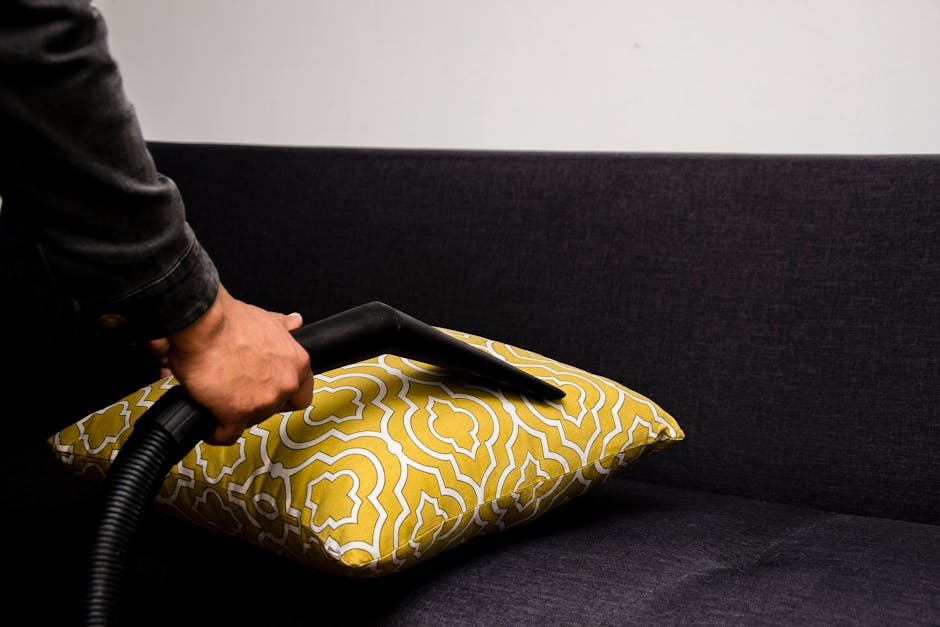
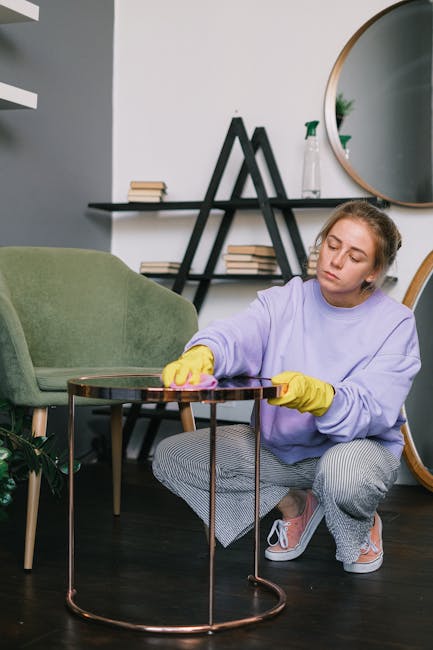
Leytonstone upholstery cleaning for Francis Road shops and cafes
Francis Road has its own rhythm. Early coffee runs, lunchtime footfall, the odd crumb on a banquette after a busy Saturday, and chairs that quietly show the life of a place long before the paintwork does. That is exactly why Leytonstone upholstery cleaning for Francis Road shops and cafes matters: not as a vanity service, but as part of keeping a welcoming, professional space that people actually want to sit in.
If you run a shop, cafe, salon corner, deli, or small hospitality space near Francis Road, upholstered seating is doing a lot of work for you. It shapes first impressions, holds onto spills and odours, and gets touched all day by coats, bags, hands, and sometimes the occasional takeaway disaster. This guide explains how upholstery cleaning works, what to expect, when it makes sense, and how to avoid the common mistakes that can shorten the life of your furniture. Let's face it, a well-kept chair says a lot before anyone even orders.
Table of Contents
- Why it matters for Francis Road businesses
- How the cleaning process works
- Key benefits and practical advantages
- Who needs it and when it makes sense
- Step-by-step guidance
- Expert tips for better results
- Common mistakes to avoid
- Tools, resources and recommendations
- Law, compliance, standards and best practice
- Options, methods and comparison
- Case study or real-world example
- Practical checklist
- Conclusion
- Frequently asked questions
Why Leytonstone upholstery cleaning for Francis Road shops and cafes Matters
Upholstery is one of those things people barely notice when it is clean, and immediately notice when it is not. In a busy cafe, a marked armchair or a stained bench can make the whole room feel a bit tired. In a shop, worn seating near the till or fitting area can quietly weaken the atmosphere you have worked hard to build. And in a local high-footfall pocket like Francis Road, that first impression matters more than people think.
There is also a practical side. Upholstered fabric traps dust, skin oils, drink spills, food debris, and everyday grime. Over time, that build-up can lead to dull colours, persistent smells, and fibres that look flattened or shabby even if the item is structurally fine. For business owners, regular care is often cheaper and less disruptive than replacing furniture too soon.
For cafes in particular, seating often acts as part of the brand. A cosy banquette, a velvet chair by the window, or a simple waiting bench can all be part of the customer experience. If those pieces look neglected, the whole environment can feel less inviting. Truth be told, people do judge with their eyes first.
It is also worth saying that clean upholstery supports a more hygienic-looking workspace. We are not making big claims here; it is simply common sense. When fabric is looked after, staff find it easier to keep on top of day-to-day presentation, and customers tend to feel more comfortable staying longer. That can matter a lot in hospitality, where dwell time and comfort often go hand in hand.
If you already manage other soft furnishings, it can help to think of upholstery as part of a wider maintenance plan. Many businesses combine it with commercial carpet cleaning or targeted stain removal so the whole front-of-house area feels consistent. That sort of joined-up care tends to make a noticeable difference, even if no one says it out loud.
Expert summary: For Francis Road shops and cafes, upholstery cleaning is not just about appearance. It helps preserve furniture, improves the feel of the room, and reduces the chance that one ugly mark drags down the whole space.
How Leytonstone upholstery cleaning for Francis Road shops and cafes Works
Most professional upholstery cleaning follows a careful process rather than a one-size-fits-all blast of water and hope. Good cleaners inspect the fabric first, identify the fibre type, test for colour fastness, and decide on the safest method. That matters because a wool blend, a synthetic banquette, and a delicate decorative chair all need different handling.
Typically, the job starts with dry soil removal. Loose dust, crumbs, and grit are lifted away before any moisture is introduced. This is important because dry particles can grind into the fabric during cleaning, which is not ideal. After that, the cleaner may pre-treat stains, greasy marks, and traffic areas with an appropriate solution.
Depending on the item, the cleaning may use hot water extraction, low-moisture methods, specialist stain treatment, or controlled steam-based techniques. The right approach depends on the fabric, construction, drying time available, and how the furniture is used. For example, a cafe with limited overnight closure may prefer a faster-drying method, while a shop refurbishing a tired seating area may opt for deeper cleaning with more intensive treatment.
Up near the surface, a lot of the visible improvement happens quickly. Beneath that, though, the work is about loosening and removing embedded grime without over-wetting the fabric or leaving residue behind. Residue is a sneaky one; it can attract dirt again if the process is rushed.
After the main clean, a good technician will usually inspect the result, check that stains have lifted as far as is safely possible, and advise on drying. In some cases, specialist sofa cleaning techniques are used on front-of-house lounge seating, while banquettes and dining chairs benefit from a different touch. That distinction matters more than many business owners expect.
For mixed premises, upholstery care often sits alongside steam carpet cleaning or other soft-furnishing work. When done properly, the result is not just visibly cleaner. The whole room tends to smell fresher and feel calmer, which is exactly what you want on a busy Francis Road afternoon.
Key Benefits and Practical Advantages
The obvious benefit is a cleaner look. But for shops and cafes, the useful benefits go further than that.
- Better first impressions: Customers notice tidy seating, even if they do not consciously think about it.
- Longer furniture life: Regular cleaning helps prevent grime from wearing down fibres prematurely.
- Improved comfort: Clean upholstery feels fresher to sit on, which affects how long people stay.
- Odour control: Food smells, milk spills, body oils, and dampness can cling to fabric over time.
- Lower replacement pressure: Keeping furniture in serviceable condition can delay expensive replacements.
- Consistent presentation: A well-kept seating area supports the rest of the shop or cafe fit-out.
There is also the quieter benefit of confidence. Staff tend to take more pride in spaces that feel maintained. Customers do too. A little visual care goes a long way, especially in a neighbourhood where people may visit regularly and notice changes over time.
If you are balancing budgets, upholstery cleaning is often easier to justify than a full refit. A chair can look surprisingly close to new after the right treatment, or at least presentable enough to keep working hard for another season. Not glamorous, maybe. Very sensible, definitely.
For business owners comparing upkeep options, the wider service range can help. A cleaner who also handles carpet cleaning and rug cleaning can sometimes streamline front-of-house maintenance so you are not coordinating separate visits for every surface. Less admin. Less hassle.
Who This Is For and When It Makes Sense
This kind of cleaning is useful for a surprisingly wide range of Francis Road businesses. The most obvious are cafes and coffee shops, but the list is broader than that.
- Cafes with upholstered banquettes, stools, armchairs, or window seating
- Independent shops with customer seating or fitting-area chairs
- Restaurants and snack bars with fabric seating
- Beauty salons, barbers, and wellness spaces with waiting chairs
- Co-working corners or creative studios with soft seating
- Hospitality spaces that host regular visitors and need to stay presentable
It makes sense when you start spotting the signs. A dark mark under the armrest, a stale smell after rain, flattened seat cushions, visible rings from old drinks, or fabric that no longer looks the same colour in daylight. If customers are avoiding one chair and picking another, that is a clue. People do that.
It also makes sense after specific incidents: a milk spill, sauce splash, pet hair build-up from a dog-friendly venue, or a muddy afternoon after weather turns wet and everyone comes in with damp coats. One chair can absorb a lot of life. Almost too much.
If your seating is used intensively, cleaning is best treated as part of regular maintenance rather than a rescue job. Once stains settle in for months, results become more limited. Early action tends to give better outcomes and less stress all round.
Step-by-Step Guidance
Here is a practical way to think about the process, whether you are booking a clean for the first time or planning repeat upkeep.
- Inspect the furniture carefully. Note the fabric type, visible stains, worn areas, and any damage such as loose stitching or sagging foam.
- Identify problem spots. Focus on food and drink marks, high-contact areas, and odour-prone sections first.
- Choose the right method. Delicate fabrics need a lighter touch than robust commercial-grade materials.
- Prepare the space. Move small items, clear tables nearby, and make sure cleaners can access each piece properly.
- Pre-test and pre-treat. A careful technician will test solutions where needed and treat stains before the main clean.
- Clean methodically. The aim is even treatment, not soaking one area and hoping for the best.
- Allow proper drying. Airflow matters. Open doors or windows where practical and follow any aftercare advice.
- Review the result. Check for remaining spots, damp patches, or areas needing a second pass.
A good local business owner often builds this into a maintenance rhythm. For example, front seating might be refreshed every few months, while deeper work is scheduled less often. That cadence depends on use, fabric, and whether the venue sees heavy daily turnover. It is not an exact science.
If you are dealing with stubborn marks, it may help to combine general upholstery care with specialist pet stain and odour removal or dedicated stain removal when the issue is more specific. The cleaner the brief, the better the outcome tends to be.
Expert Tips for Better Results
The best upholstery results usually come from small, sensible decisions before and after the clean. Nothing dramatic. Just practical habits that save time and money.
1. Act on spills early. Blot, do not rub. Rubbing pushes the spill deeper and can distort the fabric pile. Even a quick paper-towel response is better than leaving a fresh coffee stain to settle until closing time.
2. Match the method to the fabric. Velvet, wool, synthetics, and blended commercial upholstery all behave differently. A method that works well on one may be poor for another.
3. Think about drying conditions. In a cramped cafe corner with little air movement, upholstery can take longer to dry. If possible, plan cleaning for quieter hours or a closed period. Tuesday morning before opening can be far easier than Friday at 5 pm. Usually.
4. Keep records. A simple note of what was cleaned, when, and what stains were treated can make repeat maintenance much easier. It also helps you spot patterns, like one seat that keeps catching syrup or one corner that gathers outdoor dirt.
5. Use the clean as a reset. Once upholstery is refreshed, it is a good time to add protective routines: seat throws where appropriate, staff spill protocols, or clearer cleaning schedules.
6. Pair it with other soft furnishing care. If your venue includes curtains, check those too. Fabric surfaces share dust and odours. A broader routine with curtain cleaning can improve the overall feel of the room without much extra complexity.
Small habit, big difference. That is often how good premises care works.
Common Mistakes to Avoid
Some of the most expensive upholstery problems come from well-meaning shortcuts. Here are the ones worth avoiding.
- Using harsh household products: They can bleach, stain, or leave sticky residue behind.
- Over-wetting fabric: Too much moisture can lead to slow drying, marks, and in some cases damage beneath the surface.
- Ignoring the fabric type: "It looked fine on the other chair" is not a reliable strategy.
- Waiting too long: Fresh stains are much easier to deal with than set-in grime.
- Cleaning only the visible stain: Spot-treating a single patch without blending the surrounding area can leave a clear tide mark.
- Forgetting aftercare: Cleaning is only half the job. Drying and ventilation matter a lot.
Another common mistake is expecting every mark to disappear completely. Some stains, especially old dye transfer or heat-set marks, may only improve rather than vanish. A trustworthy cleaner should say that plainly rather than oversell the outcome. That honesty is worth more than a promise that sounds too neat.
If the furniture is already quite tired, you may want to compare cleaning with repair or replacement. In some cases, a deep clean plus a few small repairs is the sweet spot. In others, the fabric is simply beyond rescue. Mildly annoying, yes, but better to know early.
Tools, Resources and Recommendations
For business owners managing upholstery between professional visits, a few simple tools help keep things in shape.
- Microfibre cloths for gentle spot blotting
- Soft upholstery brushes for light surface dusting
- White absorbent towels for spill control
- Handheld vacuum attachments for crumbs and grit
- Staff guidance notes for dealing with fresh spills
- A cleaning log for tracking repeat marks and maintenance dates
Recommendations are fairly straightforward. Keep strong chemicals away from customer-facing fabric unless a fabric-safe approach has been confirmed. Make sure staff know the difference between blotting and scrubbing. And if a stain reappears after drying, do not just keep adding water. That is how a small issue becomes a proper headache.
For a broader maintenance plan, many local businesses find it sensible to coordinate upholstery work with other services such as upholstery cleaning, carpet cleaning, and steam carpet cleaning. Even if you do not book everything together, thinking in terms of the whole room rather than a single chair tends to give better results.
When in doubt, a site visit or quote conversation is often the best starting point. You can review service expectations through pricing and quotes and learn more about how the business presents its standards via about us. That kind of background helps you decide whether the approach feels right for your premises.
Law, Compliance, Standards, or Best Practice
For shops and cafes, upholstery cleaning is usually less about strict regulation and more about sensible business practice, hygiene awareness, and safe working methods. That said, there are a few important principles worth keeping in mind.
First, cleaning products should be used safely and in line with supplier guidance. Staff should not mix chemicals casually or use strong products on upholstery without knowing how the fabric will react. If a contractor is involved, it is reasonable to ask how they assess fabric type, drying time, and any risks to nearby surfaces.
Second, commercial premises should think about slip risk and access during cleaning. Wet floors, hoses, cables, and damp upholstery all need managing so customers and staff stay safe. That is especially relevant in smaller Francis Road spaces where a clean may happen between service periods and every square foot matters.
Third, best practice includes clear communication. If a piece of seating should not be used until dry, say so. If a stain may not fully lift, explain that before work begins. If there are sensitive materials or fragile frames, note it in advance. Clear expectations save everybody a bit of grief.
It can also help to choose suppliers who can speak plainly about their working standards. Pages such as health and safety policy, insurance and safety, and terms and conditions give a useful sense of how seriously a provider treats the practical side of the job.
If sustainability matters to your business identity, you may also want to look at recycling and sustainability. Not every furniture-cleaning decision is about eco messaging, of course, but many local businesses do appreciate waste-conscious working methods and responsible handling of materials.
Options, Methods, or Comparison Table
There is no single "best" method for every upholstery job. The right approach depends on fabric, usage, drying time, and how stubborn the marks are. Here is a simple comparison to make the options easier to weigh up.
| Method | Best for | Pros | Watch-outs |
|---|---|---|---|
| Low-moisture cleaning | Delicate seating, quick turnaround spaces | Faster drying, less disruption | May be less effective on deeply embedded grime |
| Hot water extraction | Robust commercial upholstery, heavier soil | Deep clean, strong soil removal | Needs careful drying and correct fabric suitability |
| Steam-assisted cleaning | Sanitising-style refresh on suitable fabrics | Useful for refresh and odour reduction | Not ideal for every textile or finish |
| Targeted stain treatment | Specific spills and marked areas | Good for focused problem solving | May not blend perfectly if the surrounding area is dull |
For a busy cafe, quick drying can matter just as much as cleaning power. For a shop that closes for a full day, deeper treatment may be the better choice. There is no prize for using the strongest method if the fabric does not need it.
If you are weighing wider soft-furnishing care, some premises combine upholstery work with sofa cleaning for lounge areas or waiting zones. The aim is to match the method to the business, not force the business to fit the method. Simple, but easy to overlook.
Case Study or Real-World Example
Picture a small Francis Road cafe on a wet Thursday. The morning rush has already brought in umbrellas, damp coats, and a fair bit of grit. One banquette near the window has a coffee ring that has been there for weeks, and the chairs closest to the counter are looking a little dull around the arms.
The owner is not facing disaster. Nothing dramatic. But the room has started to feel a touch tired, and regulars are noticing that the seating no longer looks as fresh as the pastries. A professional upholstery clean is booked for a quieter midweek slot, with the seats inspected first, then spot-treated, then cleaned using a method suitable for the fabric and drying window available.
Afterwards, the cafe does something very sensible: it improves its spill routine, gives staff a quick guide for blotting fresh marks, and adds upholstery cleaning to the seasonal maintenance checklist. The change is subtle, but it shows. The room feels brighter, the fabric looks cared for, and the owner does not have to keep apologising for the same grubby corner seat.
That is the real point. Not perfection. Just a space that still feels looked after.
Practical Checklist
Use this checklist before arranging upholstery cleaning for a shop or cafe near Francis Road.
- Identify which chairs, benches, or sofas need attention first
- Note any fresh spills, old stains, or recurring odours
- Check whether the fabric is delicate, synthetic, or mixed
- Decide how much drying time you can realistically allow
- Move portable items away from the cleaning area
- Ask about the cleaning method being used
- Confirm whether stain pre-treatment is included
- Plan how customers and staff will avoid damp seating
- Review aftercare guidance once the work is done
- Set a reminder for the next maintenance cycle
Quick takeaway: if you make the cleaning plan around your opening hours, fabric type, and drying time, you usually get a better result. That is the bit people skip, and then wonder why the seating still feels "not quite right."
Conclusion
Leytonstone upholstery cleaning for Francis Road shops and cafes is really about keeping a busy local business looking like it cares. Clean seating supports the atmosphere, protects your investment, and helps the whole space feel more welcoming at the exact moments customers are deciding whether to stay, sit, or come back again.
The best results come from matching the method to the material, acting early on spills, and treating upholstery as part of regular premises care rather than an occasional rescue mission. That approach is calmer, cheaper in the long run, and usually far more effective.
Get a free quote today and see how much you can save.
If you are planning next steps, it is worth reviewing service details, standards, and what to expect from a provider before you book. A little preparation now can save a lot of awkwardness later. And honestly, that is half the battle with commercial interiors.
Frequently Asked Questions
How often should Francis Road shops and cafes book upholstery cleaning?
It depends on footfall, fabric type, and how often food or drink is handled nearby. Busy cafes may need more frequent care than quieter shops. A good rule is to watch the seating itself: once it starts looking dull, smelling stale, or holding visible marks, it is time to book.
Can upholstery cleaning remove coffee and milk stains?
Often, yes, especially if the stain is treated early. Fresh spills tend to respond better than old ones. Milk can be trickier if it has dried deep into the fibres, so fast action helps a lot. No magic wand, but there is usually room for improvement.
Will the furniture be too wet to use after cleaning?
That depends on the method used, the fabric, and the room's airflow. A low-moisture approach can dry fairly quickly, while deeper cleaning may need more time. Good aftercare and ventilation make a noticeable difference.
Is upholstery cleaning safe for delicate fabrics?
It can be, if the method is chosen carefully and tested first. Delicate materials need a gentler approach than hard-wearing commercial fabric. This is why proper inspection matters before any cleaning starts.
What is the difference between upholstery cleaning and sofa cleaning?
Upholstery cleaning is the broader term for fabric seating and soft furnishings. Sofa cleaning is a more specific type of upholstery work focused on sofas and settees. In a cafe or shop, you may have both chairs and lounge seating that need different treatment.
Can cleaning help reduce odours in a cafe seating area?
Yes, it often helps. Fabric can hold onto food smells, moisture, and general daily grime. Cleaning can freshen the seating, though strong or long-standing odours may need more targeted treatment as well.
Should I clean carpets and upholstery at the same time?
Often that makes sense, especially in front-of-house areas where both surfaces age together. It can create a more consistent finish and reduce the number of separate appointments you need to manage. Many businesses prefer the tidy-all-at-once approach.
What should I do before a cleaner arrives?
Clear small items, identify any stubborn stains, and make sure the cleaning team can reach the seating easily. It also helps to let staff know which areas should be left unused until dry. Little preparations save time later.
Are stain protectors worth it for commercial upholstery?
Sometimes. They can help slow down absorption and make routine maintenance easier, but they are not a substitute for proper cleaning. Think of them as a useful extra, not a miracle fix.
How do I know if my upholstery needs professional cleaning rather than a quick wipe?
If the fabric looks greyed, smells stale, feels sticky, or has repeated staining, a wipe is usually not enough. A quick wipe is fine for fresh surface marks, but deeper grime lives lower in the fibres. That is where professional treatment becomes worthwhile.
Can I combine upholstery cleaning with other services from the same provider?
Yes, and that is often a practical choice for local businesses. If you are already arranging seating care, it can make sense to ask about complementary services such as commercial carpet cleaning, curtain cleaning, or other relevant maintenance options.
What if a stain does not come out fully?
That happens sometimes, especially with older or heat-set marks. A trustworthy cleaner should explain the likely outcome before starting. Improvement is often possible even when full removal is not.
How can I tell if a cleaning company is suitable for a business space?
Look for clear information about safety, insurance, terms, and how they handle cleaning in occupied premises. Pages like insurance and safety and health and safety policy are useful signs that the provider takes the practical side seriously.
At the end of the day, clean seating is not just a detail. It is part of how your place feels when people walk in, sit down, and decide to stay a little longer.